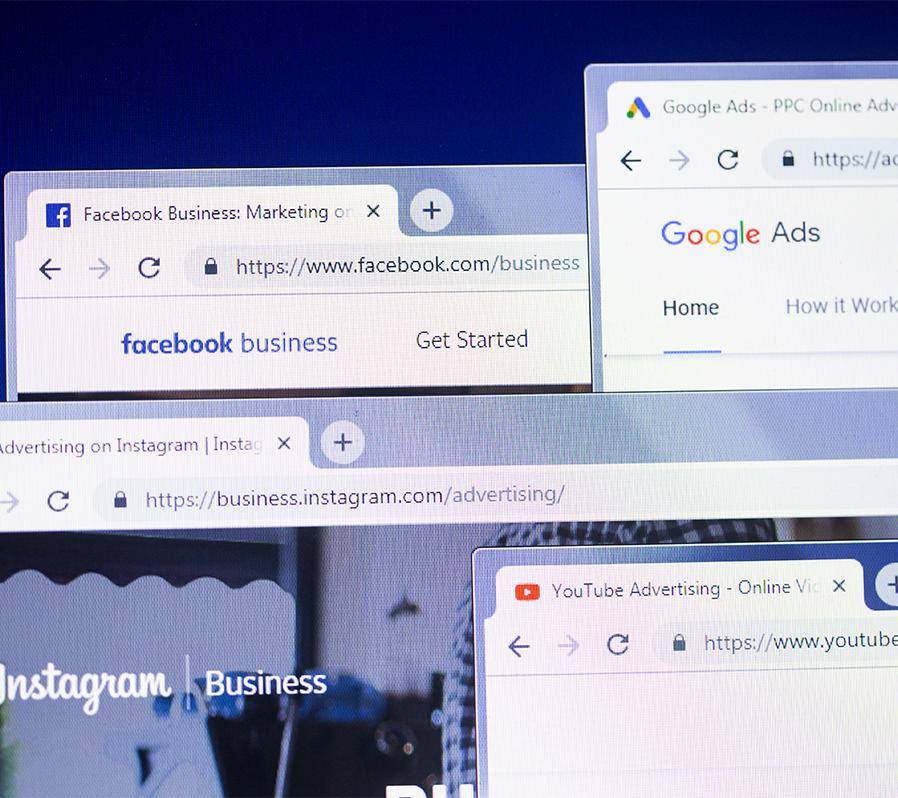
Digital advertising has already overtaken traditional methods around the world. It allows advertisers to communicate with larger audiences, target specific demographic segments, and use automated ad platforms, making it far more efficient. AdTech covers the entirety of the ad delivery process from selection to positioning. The ability to control each aspect of the campaign makes AdTech the perfect tool for political advertising. Political campaigns around the world are increasingly becoming sophisticated data operations. Both the 2016 U.S elections and the 2018 victory of Jair Bolsonaro in Brazil owe a large part of their victory to commercial social media agencies.
So, how do advertisers effectively use this technology to drive their political campaigns?
By following the three cardinal rules of using AdTech in politics:
Rule 1: Keep Your Eye on the Target (Audience)
Over the past few years, micro-targeting has gained popularity in political advertising based on data collected from AdTech tools. It allows political parties to target their ads at specific individuals or demographic segments. Many companies also provide a variety of data features combined with psychological profiles and surveys to target advertisements at specific demographic segments. It allows for political campaigns to target niche audiences and garner support. However, due to the lack of regulation and fragmented structure of AdTech tools, it can also allow for the misuse of data, which has led to data protection laws like General Data Protection Regulation (GDPR).
Contextual targeting is a smart alternative to traditional audience-based methods. Political advertisers can target individuals based on the content they are already looking at using topic-based categories and relevant keywords. It helps them engage with the right audience at the right time to influence decision-making habits. Studies show that it increases purchase intent by up to 63 percent. Unlike traditional audience-based targeting methods, contextual targeting allows companies to reduce their reliance on personal data and circumvent data protection laws.
Rule 2: Automate the Process
Data-driven campaigning allows a series of decisions, such as where to hold rallies, on which constituencies to focus, which campaign messages to promote in each area, and how to target supporters. But to drive these efficiently, advertisers must incorporate programmatic advertising. It automates the process of placing targeted advertisements on digital platforms. It significantly expedites the ad process and makes it ideal for political advertising. Advertisement-buying platforms in the U.S found that in 2018, 66 percent of their political ad spend was transacted programmatically.
Rule 3: Build Connect Across Mediums
OTT (Over The Top) Media services may soon become the medium through which political advertisers must communicate, as cable TV has significantly declined in use. OTT streams digital advertising platforms onto connected TVs, tablets, and game consoles, making advertisements accessible across platforms.
Digital advertising platforms also continue to evolve. Owned video server reported that 42 percent of its ad impressions in 2018 were obtained via connected TV. As OTT gains more popularity worldwide, it makes sense for political advertisers to move away from traditional television ads and embrace multiple digital platforms.
Politics is the art of the possible, and with AdTech, the possibilities for advertisers are endless. Advertisements have always played an important role in shaping political narratives. However, as digital advertising continues to grow and evolve, advertisements may have the power to influence the future of democracy.
References:
- adweek.com/tv-video/the-number-of-ott-only-u-s-homes-has-tripled-over-the-last-5-years/
- bloomberg.com/news/features/2018-08-08/who-killed-the-great-american-cable-tv-bundle
- consumersinternational.org/news-resources/blog/posts/gdpr-will-it-be-the-global-standard-for-data-protection/
- https://fortune.com/2019/01/28/google-iab-sensitive-profiles/
digital advertising, political advertising, contextual advertising, programmatic advertising, digital advertising platforms
Let Gutenberg guide your messaging with tech-enabled targeting.